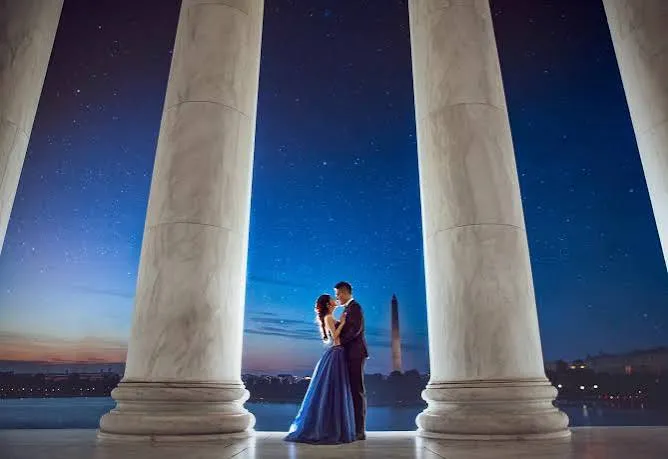
Wedding photography is one of the most meaningful parts of planning a wedding because it preserves the emotions, relationships, and unforgettable experiences of the special day. From the excitement of getting ready to the final dance at the reception, every moment contributes to the story of a couple’s journey together. For couples planning their celebration in the nation’s capital, wedding photography Washington DC offers opportunities to combine beautiful scenery, historic architecture, and personal memories in one remarkable collection of photographs.
However, creating exceptional wedding photographs requires more than an expensive camera. It involves thoughtful planning, professional experience, creativity, and the ability to recognize meaningful moments as they happen. With the right preparation and photographer, couples can enjoy their celebration while knowing that their most treasured memories are being preserved.
1. Choose a Wedding Photographer Who Understands Your Vision
Selecting the right photographer is one of the most important decisions couples make during wedding planning. Every photographer has a unique style, whether it focuses on candid storytelling, traditional portraits, artistic compositions, or documentary photography.
Before booking a professional, explore complete wedding galleries rather than relying exclusively on selected images displayed on social media. A full gallery helps you understand how consistently the photographer captures different lighting conditions, emotional moments, family portraits, and reception celebrations.
Consider the atmosphere you want your photographs to communicate. Some couples prefer bright, natural images, while others enjoy dramatic lighting and cinematic compositions. Discuss your preferences with potential photographers and ask whether they can adapt their approach to your expectations.
Communication is equally important. Your photographer should listen to your ideas, answer questions clearly, and help you feel comfortable in front of the camera. A good working relationship makes it easier to capture authentic expressions and natural interactions throughout the celebration.
2. Take Advantage of Washington DC’s Beautiful Locations
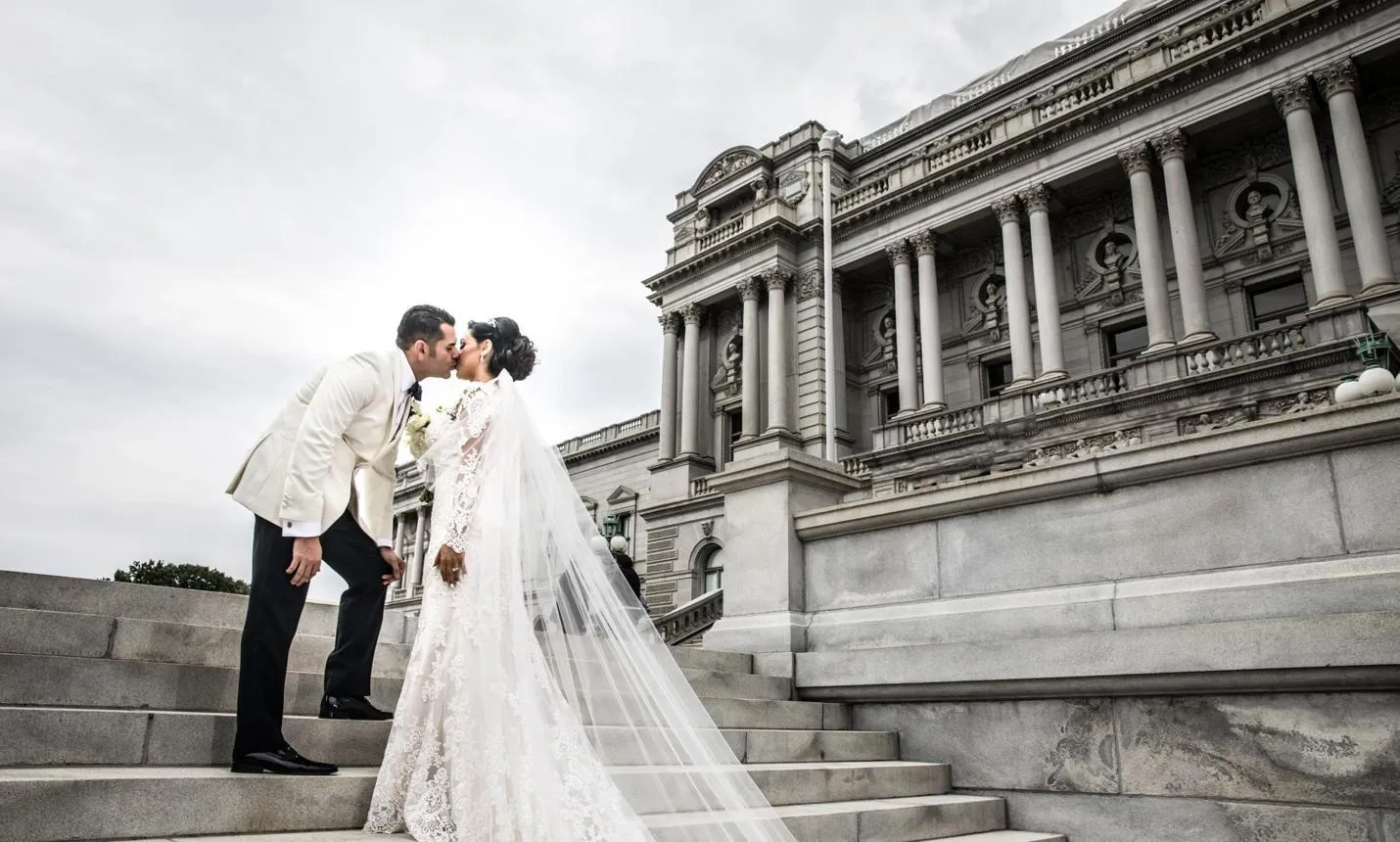
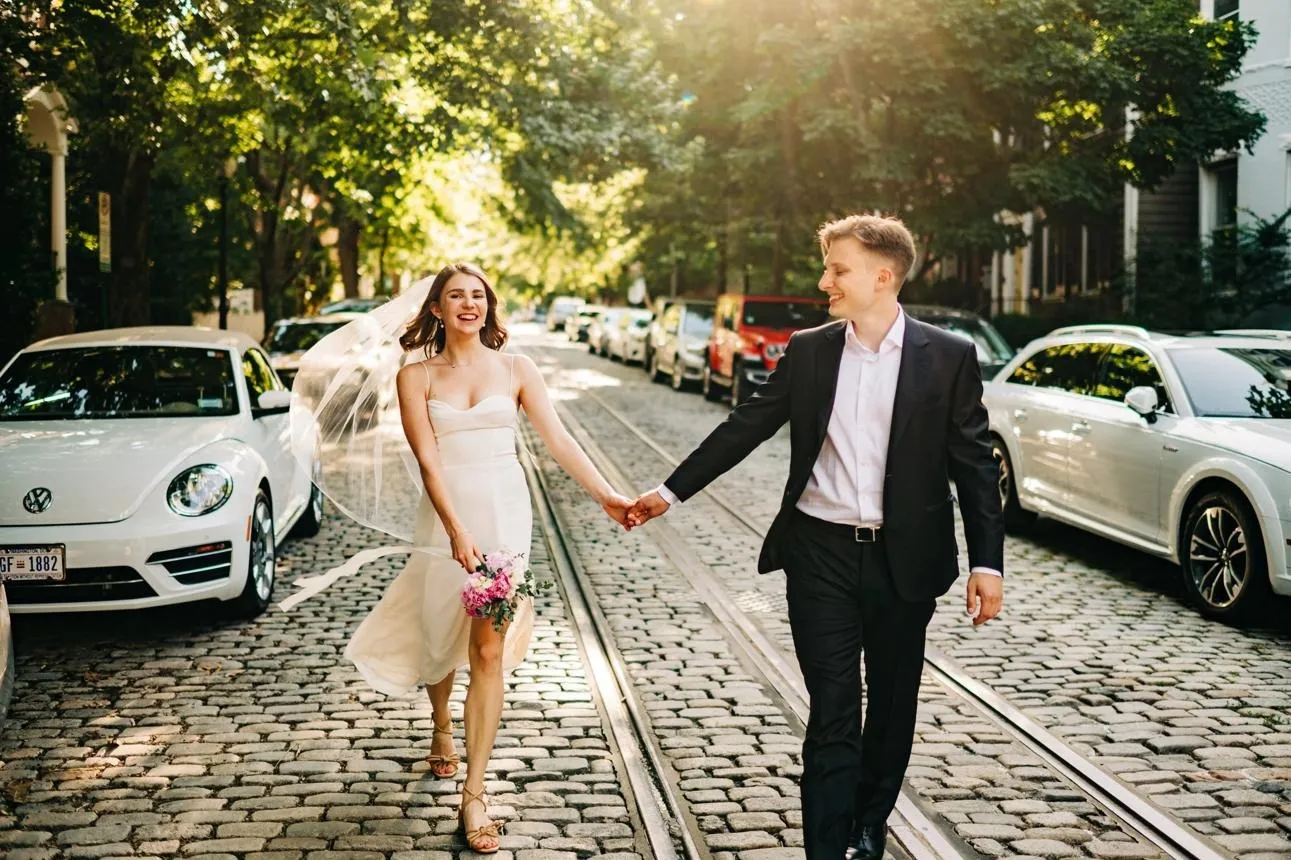
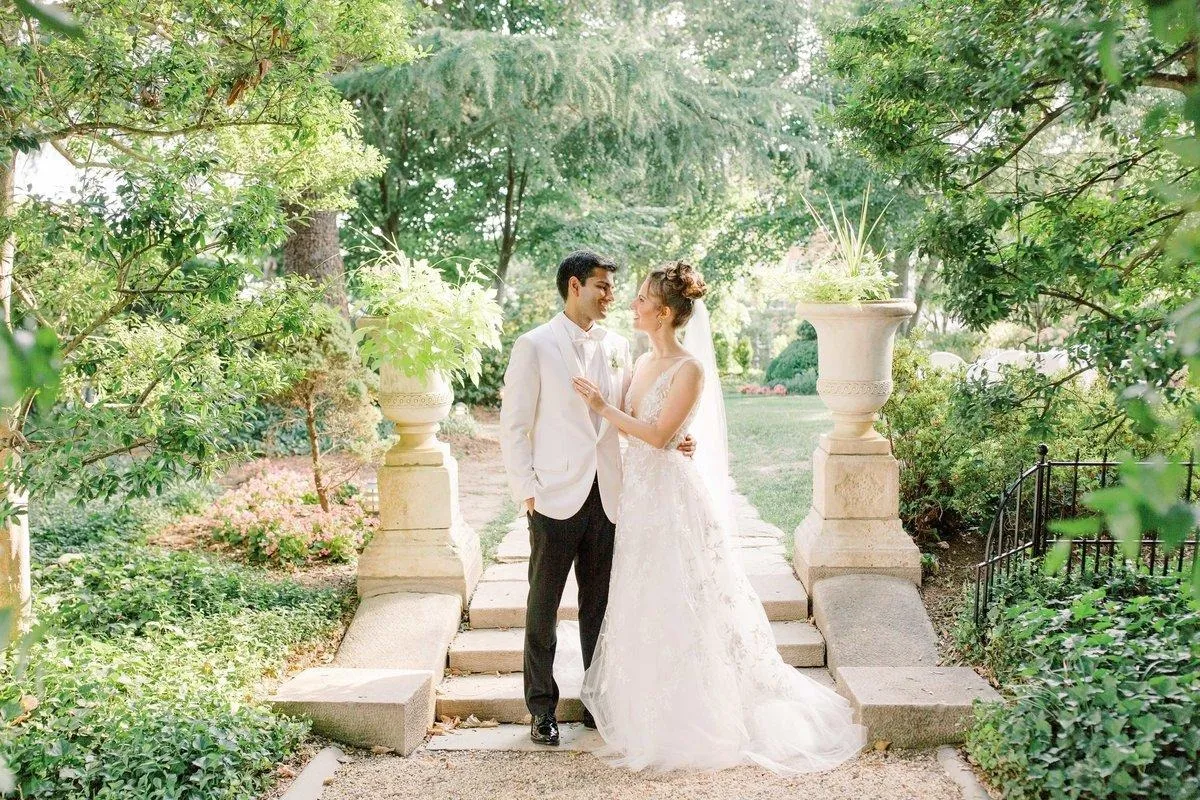
Washington DC provides an impressive variety of wedding photography settings, from historic landmarks to elegant gardens and modern urban spaces. Choosing locations that reflect your personality can make your wedding album feel distinctive and meaningful.
Popular locations include the National Mall, Georgetown’s charming streets, the waterfront, and the city’s many landscaped gardens. Historic architecture can create sophisticated backdrops, while tree-lined pathways and waterfront views offer a softer, more romantic atmosphere.
13
When planning portraits at recognizable landmarks, research access rules, photography restrictions, permits, and visitor conditions in advance. Some locations may require authorization for professional photography, and popular areas can become crowded.
It is also helpful to select a backup location in case of rain or unexpected closures. A nearby covered walkway, elegant indoor venue, or architectural entrance can provide an attractive alternative without disrupting the schedule.
The best location is not necessarily the most famous one. Choose places that complement your wedding theme and allow you to feel relaxed and connected with your partner.
3. Plan Your Photography Timeline Carefully
A well-organized timeline helps ensure that important moments are documented without making the wedding day feel rushed. Work with your photographer and wedding planner to establish a realistic schedule that includes preparation, the ceremony, portraits, family photographs, and reception activities.
Start by identifying the moments that matter most to you. These might include getting ready with family members, exchanging personal vows, the first kiss, the first dance, or a special celebration with friends.
Allow sufficient time between major events. Travel between venues, gathering family members, and adjusting to changing weather can take longer than expected. A flexible schedule gives your photographer opportunities to create beautiful images without interrupting the celebration.
Discuss the timing of sunset portraits as well. The softer light shortly before sunset can produce flattering skin tones and a warm, atmospheric background. Your photographer can recommend an appropriate time based on the season, venue, and day’s schedule.
Remember that a wedding timeline should support the experience rather than control every minute. Leave room for spontaneous moments, unexpected laughter, and meaningful interactions that cannot be planned.
4. Capture Candid Moments and Genuine Emotions
Some of the most memorable wedding photographs are not carefully posed. They happen naturally when people are fully engaged in the celebration.
A parent’s emotional reaction during the ceremony, a joyful embrace between old friends, or a couple sharing a quiet moment after exchanging vows can communicate more than a perfectly arranged portrait. These photographs preserve the atmosphere and personal meaning of the occasion.
When discussing your preferences with your photographer, explain how much emphasis you want on candid storytelling. A documentary-style approach allows the photographer to observe interactions and capture moments without constantly directing guests.
You can also encourage natural photographs by creating an environment where people feel comfortable. Spend time with loved ones, enjoy conversations, and focus on your partner rather than worrying about the camera.
Professional photographers anticipate important moments by understanding the wedding schedule and observing relationships. Their ability to recognize emotional changes and react quickly helps preserve moments that might otherwise pass unnoticed.
5. Make the Most of Natural and Artificial Lighting
Lighting has a significant influence on the quality and atmosphere of wedding photographs. Washington DC weddings may involve bright outdoor ceremonies, shaded garden portraits, dimly lit reception halls, and evening celebrations. Each environment requires a different approach.
Natural light often produces beautiful results during outdoor portraits, especially when the sun is lower in the sky. However, direct midday sunlight can create harsh shadows and uneven exposure. A skilled photographer may use open shade, reflectors, or carefully selected angles to achieve a balanced appearance.
Indoor venues present different challenges. Churches, ballrooms, and reception spaces may have limited light or mixed lighting colors. Professional photographers use appropriate camera settings and, when necessary, external flash equipment to maintain image quality without overwhelming the atmosphere.
For evening celebrations, creative lighting can add depth and energy to photographs of dancing, speeches, and other reception activities.
When reviewing a photographer’s portfolio, pay attention to how images look in different environments. Consistent quality across bright, dark, and mixed-lighting situations is an important sign of technical skill.
6. Prepare a List of Essential Family and Group Photographs
Family portraits often become treasured keepsakes because they bring together people who may not have another opportunity to gather in the same way. However, organizing these photographs can become challenging when many relatives and friends are involved.
Create a practical list of essential group combinations before the wedding. Include immediate family, grandparents, siblings, close relatives, and any other important relationships. Share this list with your photographer and designate a family member who knows everyone and can help organize groups.
Keep the list focused on the photographs that matter most. Too many combinations can consume valuable time and reduce opportunities for candid photographs.
Choose a location with sufficient space, suitable lighting, and convenient access for guests. If older relatives or guests with mobility needs will participate, select a comfortable location that does not require unnecessary walking or standing.
A little organization helps these photographs happen efficiently, allowing everyone to return to the celebration sooner.
7. Prepare for Washington DC’s Changing Weather
Weather can influence outdoor wedding photography throughout the year. Spring may bring rain and blossoms, summer can introduce heat and humidity, autumn offers colorful foliage, and winter may require additional preparation for cold temperatures.
Check the forecast as the wedding date approaches, but avoid assuming that every outdoor plan will proceed exactly as expected. Discuss alternative arrangements with your photographer and venue before the event.
Clear umbrellas, sheltered portrait locations, and flexible scheduling can help preserve beautiful photographic opportunities during light rain. For hot weather, arrange convenient breaks and access to water, particularly if portraits involve extended outdoor sessions.
Seasonal conditions can also create distinctive images. Autumn leaves may provide rich colors, spring gardens can offer fresh greenery, and winter architecture can create an elegant atmosphere.
Instead of viewing every weather change as a problem, work with your photographer to identify creative possibilities while keeping comfort and safety a priority.
8. Coordinate Photography With Your Wedding Details
Small details contribute to the overall story of a wedding. Invitations, rings, flowers, jewelry, table arrangements, decorations, and personal accessories can all become meaningful elements of the final gallery.
Prepare important items in one place before the photographer arrives. This makes it easier to photograph them without searching through bags or interrupting wedding preparations.
If you have personalized decorations, family heirlooms, handwritten notes, or meaningful gifts, tell your photographer about them. These details may hold emotional significance that is not immediately obvious to someone unfamiliar with your story.
You can also discuss the overall visual theme of your wedding. Coordinating colors, floral arrangements, attire, and venue decorations can help create a cohesive collection of photographs.
Thoughtful detail photography adds variety to an album and helps couples remember not only how the day felt but also the little things that made it uniquely theirs.
9. Enjoy the Day and Trust Your Photographer
It is natural to feel nervous about being photographed, especially if you are not accustomed to posing. Fortunately, you do not need professional modeling experience to enjoy beautiful wedding portraits.
A helpful photographer will provide simple direction when needed while allowing genuine expressions to develop naturally. Walking together, talking, holding hands, and interacting comfortably can create photographs that feel more authentic than complicated poses.
Avoid spending the entire celebration checking whether every photograph is perfect. Focus on enjoying your guests, appreciating the ceremony, and celebrating your relationship.
When couples feel present and relaxed, their emotions often become the most compelling part of the images. Trusting your photographer also gives them the freedom to notice spontaneous moments and create a balanced collection of portraits, details, and candid photographs.
Conclusion
Wedding photography Washington DC combines personal storytelling with the beauty and character of the nation’s capital. By selecting a photographer who understands your vision, choosing meaningful locations, planning a realistic timeline, and preparing for changing conditions, you can create a collection of images that preserves the atmosphere of your wedding day.
The most successful wedding photographs are not simply technically impressive. They reflect genuine emotions, important relationships, and the small moments that make the celebration special.
Start planning early, communicate your priorities clearly, and leave enough room for spontaneous experiences. With thoughtful preparation and a photographer you trust, your wedding album can become a lasting reminder of the people, feelings, and memories that made your celebration unforgettable.