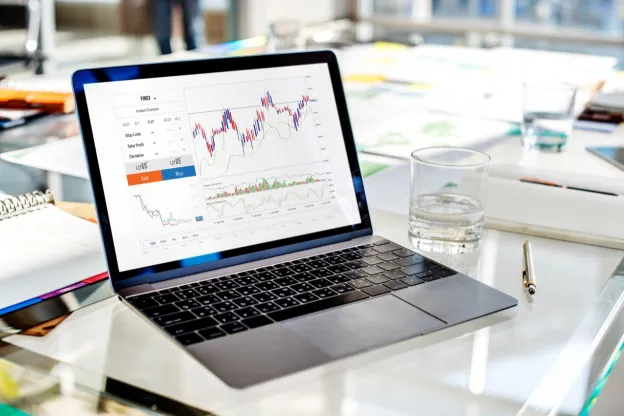
Online trading has become increasingly accessible, giving individuals opportunities to participate in financial markets through digital platforms designed for different experience levels and trading preferences. For traders comparing best trading brokers, platform security, regulatory transparency, pricing structures, execution quality, and available trading tools are important considerations.
A suitable broker should provide clear information about its services, account conditions, fees, and risk-management features. Traders should also understand that market participation involves financial risk, and no platform can guarantee profits. Carefully evaluating a broker before opening an account can help individuals make decisions based on their objectives, experience, and risk tolerance. A structured comparison can also make it easier to distinguish between essential trading features and promotional claims when assessing different online platforms.
Essential Features Supporting Secure Trading Decisions
Selecting a trading platform requires attention to security, transparency, usability, and tools that can support informed and responsible market participation.
1. Regulatory Transparency and Oversight
Traders should review a provider’s licensing information, regulatory status, jurisdiction, and available disclosures before opening an account. Verifying regulatory details through relevant authorities can clarify the provider’s operating framework, applicable protections, and responsibilities.
2. Account Security and Data Protection
Trading platforms handle sensitive personal and financial information, making security essential. Traders should look for secure authentication, encryption, verification procedures, and access controls. Strong passwords and available authentication features can further reduce the risk of unauthorised account access.
3. Transparent Pricing and Trading Costs
Trading costs may include spreads, commissions, overnight charges, withdrawal fees, and currency conversion expenses. Reviewing the complete pricing structure helps traders compare providers more effectively, understand potential expenses, and avoid unexpected charges that could affect available trading capital.
4. Reliable Platform Performance
Platform stability, execution processes, charting tools, mobile accessibility, and overall usability can influence the trading experience. Traders should understand available order types, execution conditions, and technical limitations before using a platform for active market participation or relying on it for regular trading activities.
5. Risk Management Features
Risk-management tools such as stop-loss orders, take-profit orders, position-sizing features, margin information, and alerts can help traders manage exposure. These tools cannot eliminate market risk, but understanding their functionality can support more disciplined trading decisions and responsible capital management.
Comparing Trading Platforms With Greater Clarity
A structured comparison helps traders assess platforms based on practical requirements, security considerations, available tools, and overall suitability rather than relying solely on promotional claims.
1. Assessing Available Trading Instruments
Different platforms provide access to different financial instruments and markets. Traders should confirm whether their preferred markets are available and review factors such as leverage, margin requirements, contract specifications, and trading hours before selecting a platform.
2. Evaluating Educational and Research Resources
Educational resources can help traders strengthen their understanding of market terminology, economic events, and analytical methods. Research materials should complement independent evaluation rather than being treated as guarantees of future market performance.
3. Reviewing Customer Support Availability
Accessible customer support can be valuable when users encounter account, payment, or technical issues. Traders can assess available communication channels, operating hours, response processes, and support documentation before committing funds.
4. Understanding Withdrawal and Account Procedures
Traders should review deposit methods, withdrawal procedures, processing times, verification requirements, and applicable charges. Clear account conditions help users understand how funds can be managed and reduce the possibility of unexpected restrictions.
5. Comparing the Best Trading Brokers
When comparing best trading brokers, traders can consider regulatory transparency, platform security, pricing, execution conditions, available instruments, and customer support. Evaluating these factors together provides a more balanced basis for selecting a suitable provider.
Building Informed Habits for Online Market Participation
Choosing a suitable platform is only one part of responsible trading. Individuals can also improve their decision-making by developing consistent research, risk-management, and account-monitoring habits.
● Define Objectives: Set realistic financial goals and determine how much capital you can allocate without affecting essential financial commitments.
● Understand Market Risks: Learn how volatility, leverage, liquidity, and economic events can affect trading positions.
● Review Costs: Compare spreads, commissions, financing charges, and other applicable fees before selecting a platform.
● Protect Accounts: Use strong passwords, authentication tools, and secure devices when accessing trading accounts.
● Monitor Performance: Review trading activity regularly and evaluate whether decisions remain consistent with the intended strategy.
A disciplined approach to research, risk management, and regular performance reviews can help traders participate in financial markets with greater awareness and consistency.
Trading Platform Selection Supporting Better Decisions
Selecting a suitable trading platform requires attention to security, transparency, costs, accessibility, and available trading features. A structured comparison can help traders evaluate providers more objectively.
● Regulatory Transparency: Review licensing details, regulatory status, jurisdiction, and available disclosures to understand the provider’s operating framework and applicable protections.
● Platform Security: Consider authentication, data protection, account verification, and other security measures that help protect personal and financial information.
● Trading Costs: Compare spreads, commissions, financing charges, withdrawal fees, and other applicable costs before selecting a platform.
● Market Access: Check available instruments, execution conditions, trading hours, charting tools, and platform functionality to ensure they match individual requirements.
● Customer Support: Evaluate communication channels, response processes, account assistance, and support availability to ensure concerns can be addressed efficiently.
A balanced assessment of these factors can help traders make more informed platform-selection decisions.
Final Thoughts
Selecting an online trading platform requires careful consideration of regulation, security, costs, technology, available markets, customer support, and risk-management features. A structured evaluation helps traders compare providers based on practical requirements rather than promotional claims. Understanding account conditions and trading costs can also support more informed decisions.
For individuals searching for the safest online trading platform, remember that no platform can eliminate the inherent risks of financial markets. VPFX provides an online trading environment with access to market-related services and trading tools. Prospective users should review regulatory information, account terms, available instruments, fees, and associated risks before choosing a platform. Considering personal objectives, experience, and risk tolerance can help determine whether a particular trading environment is appropriate for individual market participation.