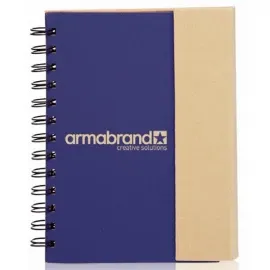
A promotional item does not have to be flashy to earn attention. Sometimes, the most effective brand reminder is the notebook sitting beside a laptop, the pen used during a meeting, or the notepad pulled out to capture an idea. Unlike many event giveaways that are quickly forgotten, practical stationery can become part of someone’s routine. Custom spiral notebooks, for example, can travel from the conference room to a home office, keeping a brand visible through everyday use.
Why Stationery Works So Well as Promotional Merchandise
The strongest promotional merchandise solves a small, recurring problem. Stationery does exactly that. People need somewhere to write meeting notes, record reminders, sketch ideas, organize tasks, or capture information during an event.
1. Usefulness Encourages Repeat Exposure
A useful item has a natural reason to stay within reach. A branded notebook or desk pad does not need to compete aggressively for attention. Every time the recipient opens it, writes in it, or moves it to another workspace, the brand receives another quiet exposure.
2. It Fits Naturally Into Professional Life
Stationery works across industries and job roles. Sales teams can use notebooks during client meetings. HR departments can include them in employee welcome kits. Event planners can provide them as practical conference materials. Consultants, educators, designers, and office teams can all find a genuine use for them.
3. Portability Extends the Brand’s Reach
A notebook can leave the office without much effort. It may appear in a coffee shop, on a train, in a classroom, at a client meeting, or in a home workspace. That mobility creates opportunities for brand exposure beyond the original event or workplace.
Make Ordinary Stationery More Memorable
The product itself is only part of the experience. Design can determine whether a stationery item feels generic or thoughtfully selected. Instead of placing a large logo across every available surface, consider a cleaner approach. Use brand colors selectively, add a subtle mark, or incorporate a useful message inside the cover.
Custom journal covers can also give a more distinctive feel to notebooks intended for clients, executives, speakers, or employee recognition. Material and format matter too. A durable cover, practical page layout, comfortable size, or convenient binding can influence whether someone actually uses the item. Even small details, such as a pen loop, elastic closure, divider, or pocket, can increase perceived value.
Where Can Businesses Use Promotional Stationery?
Stationery is flexible enough to support several types of campaigns.
● Trade shows: Give attendees a useful item they can carry through the event and beyond.
● Employee onboarding: Add notebooks and writing tools to welcome kits for new team members.
● Training sessions: Pair workbooks or notepads with workshops, seminars, and internal learning programs.
● Client gifting: Choose a more refined notebook for customers who value practical business accessories.
● Company events: Create event-specific stationery that reinforces the occasion without becoming disposable clutter.
● Sales incentives: Use upgraded stationery as a recognition gift for employees or partners.
The key is matching the item to the situation. A basic memo pad may work well for a large conference, while a premium notebook could make more sense for a smaller client gathering.
Tips for Choosing Stationery That Gets Used
Before ordering, ask a few practical questions:
Who will receive it? Consider their work habits, age range, environment, and likely preferences.
Where will they use it? A compact notebook may suit traveling professionals, while a larger desk pad may work better for office-based teams.
Does the quality match the brand? Merchandise communicates more than a logo. Flimsy materials can undermine an otherwise polished campaign.
Is the branding easy to notice? Aim for visibility without overwhelming the item’s usefulness or design.
Can the item serve a specific purpose? A meeting notebook, project planner, or idea journal can feel more intentional than a generic giveaway.
Conclusion
Everyday stationery succeeds as promotional merchandise because it earns its place through usefulness. A well-chosen notebook, notepad, or writing accessory can remain in circulation long after a trade show, meeting, onboarding session, or corporate event has ended. Its portability creates additional opportunities for visibility, while thoughtful materials and customization can increase perceived value. The most effective approach is not simply to print a logo on an ordinary item, but to select stationery that fits the recipient and the occasion. When practicality, quality, and design work together, printed promotional products can become useful brand touchpoints rather than short-lived giveaways.
BRAVA Marketing supports organizations with promotional merchandise across business, workplace, event, gifting, and branding needs. They offer a broad selection of customizable products, including stationery and office-focused items, helping their customers choose merchandise suited to different audiences and occasions.