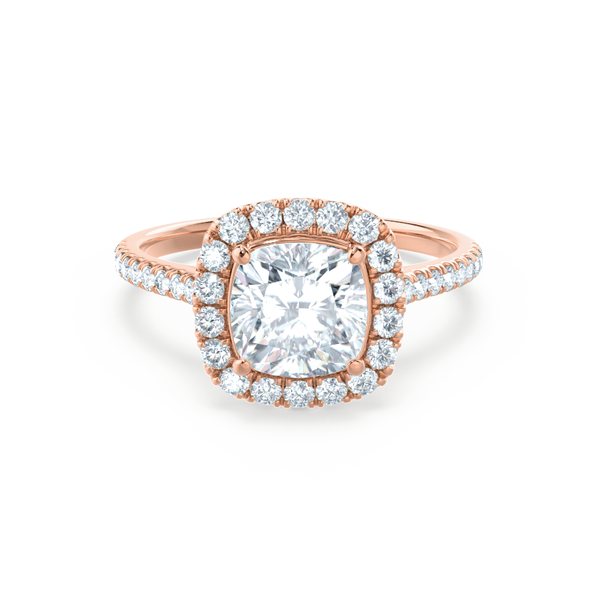
Personal fashion is more than the garments people choose to wear. It is a language of expression, a way to communicate identity, values and emotion without ever speaking. In today’s fashion culture, symbolic elements have become central to this form of communication, and many individuals explore brands, motifs and details that speak to their personal stories. For example, some might be drawn to designs from lily arkwright because the symbolism behind certain shapes, stones or settings aligns with meaning they want to project. This connection between symbolism and personal expression lays the foundation for deeper, more intentional style choices.
Symbolic elements in fashion often stem from cultural heritage, personal milestones or emotional associations. A pendant shaped like a crescent can evoke themes of transition, while a ring engraved with a specific pattern may represent a core belief or a life event. When someone integrates such symbols into their everyday fashion, they elevate outfits beyond mere style. Clothing and accessories begin to act as personal narratives. This transforms the way outfits are perceived because observers can sense intention even if they do not understand the full story behind the symbol.
Color also plays a major role in symbolic fashion. Each color carries emotional weight and cultural context. Deep blue might be chosen to signify loyalty or calmness, while vibrant red can reflect energy or confidence. When people select colors based on meaning, their fashion choices become more aligned with mood or message. It adds coherence and emotional resonance to their wardrobe, giving every outfit a sense of purpose.
Beyond color, materials hold significant symbolic value. Natural stones are often associated with grounding, clarity or balance. Metals such as gold or titanium can represent strength, resilience or tradition. Even fabric choices can carry meaning; for example, linen may evoke simplicity and natural living, while velvet may suggest luxury and introspection. Incorporating symbolic materials helps wearers connect with deeper themes they wish to bring into their daily lives, turning clothing into a medium for mindful self-expression.
Symbolism in fashion also builds stronger personal identity. When people intentionally curate accessories and garments that represent their beliefs or experiences, they create a signature style that feels authentic. Others may recognize these elements as markers of individuality. It creates a visual consistency that tells a story of who the wearer is, what they value and how they navigate the world. Fashion becomes not only an outer display but an internal affirmation.
Symbolic elements can further strengthen emotional connection to personal items. An ordinary outfit can feel more meaningful when paired with a necklace that represents protection or a bracelet that marks a personal achievement. These symbolic items become companions throughout life and hold significance far beyond their aesthetic appeal. They can bring comfort, confidence or motivation, enriching the wearer’s relationship with their wardrobe.
As personal fashion continues to evolve, the role of symbolism grows more relevant. People increasingly choose items that reflect purpose rather than trends alone. Whether tied to legacy, aspiration or inner reflection, symbolic elements add layers of depth that push fashion into the realm of storytelling. By weaving meaning into everyday style, individuals cultivate a wardrobe that not only looks refined but also feels emotionally and personally resonant.